Why Ceramic Coatings Fail to Bond in Fargo’s Climate and How to Fix It in Ceramic Coating Fargo
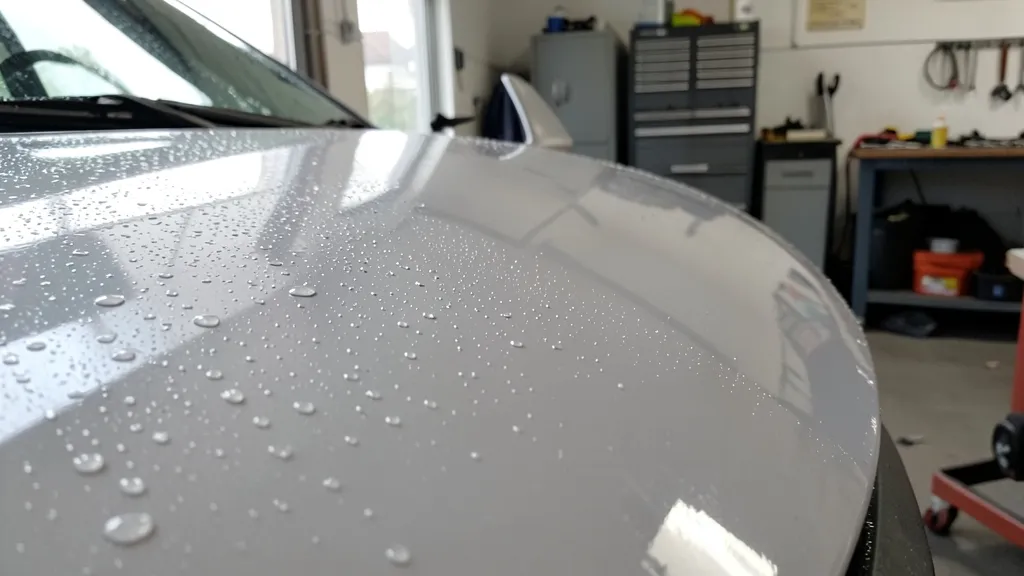
Nothing’s worse than watching a fresh ceramic coating bead water unevenly—or worse, peel away after a few Fargo winters. Bonding failure isn’t just bad luck; it’s usually a preventable prep or environmental misstep. Our team has seen it all, from hidden contaminants to rushed curing in our humid summers.
What Ceramic Coating Bonding Failure Actually Looks Like
You’ll spot it first in areas with poor water beading or patchy hydrophobicity. Instead of sheeting off, water clings or leaves streaks, signaling weak adhesion.
In severe cases, the coating delaminates, often starting at edges or high-stress zones like door jambs. This isn’t fading—it’s a full separation from the clear coat.
Fargo’s road salt and winter grime accelerate these issues. If the bond was weak to begin with, a single season can expose the problem.
True bonding failure causes peeling or flaking. Normal wear shows as reduced hydrophobicity over 2–5 years, not immediate detachment.
Top 5 Causes of Bonding Failure in Fargo’s Conditions
Improper surface prep is the main cause. Oils, waxes, or old sealants left on the paint prevent the coating from chemically bonding to the clear coat.
High humidity during application can trap moisture between the coating and paint. Fargo’s summer mornings are notorious for this.
Applying over oxidized or etched paint skips the critical step of paint correction. Ceramic coatings don’t fix imperfections—they amplify them.
Incorrect curing conditions, like parking the car in a cold garage overnight, can halt the cross-linking process. Ideal temps are 60–80°F for 24–48 hours.
Using low-grade or expired coatings with compromised silica (SiO2) content leads to weak adhesion. Not all coatings are built for North Dakota’s extremes.
Fargo-Specific Risks: Road Salt, UV, and Temperature Swings
Our winters dump salt and magnesium chloride on roads. If residue isn’t fully removed before coating, it acts like a barrier, blocking adhesion.
UV exposure in summer breaks down uncured coatings. Without proper curing, the bond never reaches full strength before degradation starts.
Rapid temperature swings—common in spring and fall—can stress the coating before it’s fully set. This is why timing matters as much as technique.
Even in West Fargo or Moorhead, microclimates near the Red River can add humidity. Always check the forecast before scheduling an application.
| Season | Primary Risk | Mitigation Strategy |
|---|---|---|
| Winter | Salt and grime contamination | Thorough decontamination with iron remover and clay bar |
| Spring | Humidity and temperature swings | Apply in climate-controlled space; extend curing time |
| Summer | High UV and heat | Work in shaded areas; avoid midday sun |
| Fall | Leaf sap and pollen | Deep clean with pH-neutral soap before prep |
Step-by-Step: How to Diagnose Bonding Issues
Start with a water test. Spray a fine mist on the coated surface. Poor beading or water sitting in droplets indicates weak adhesion.
Run your fingers over the surface. If it feels rough or gritty, contamination was likely trapped under the coating.
Check high-wear areas like the hood, roof, and front bumper. These spots take the most abuse and show failure first.
Use a flashlight at an angle to spot delamination. Peeling edges or bubbles are unmistakable signs of bonding failure.
Can You Fix a Failed Ceramic Coating Bond?
If caught early, a partial reapplication may work. Lightly polish the affected area to remove the failed coating, then reapply after proper prep.
For widespread failure, the only solution is full removal. This requires careful compounding or a dedicated ceramic coating remover to avoid damaging the clear coat.
Never apply a new layer over a failing one. The underlying issue—contamination, improper curing, or poor prep—will persist.
In cases of severe delamination, we often recommend pairing a fresh ceramic coating with paint correction to restore the surface. This is common for vehicles in Horace or Dilworth exposed to harsh conditions.
If you’re unsure, test a small, hidden area first. Apply a drop of isopropyl alcohol (IPA). If the coating lifts, the bond is compromised.
Prevention: The Non-Negotiables for Fargo Vehicles
Always start with a full decontamination: wash, clay bar, iron remover, and IPA wipe-down. Skip this, and you’re coating over dirt.
Perform paint correction if swirls, scratches, or oxidation are present. Ceramic coatings lock in the current condition—good or bad.
Apply in a controlled environment. A garage in Mapleton with stable temps and low humidity is ideal. Avoid outdoor applications in windy or dusty conditions.
Follow the manufacturer’s curing guidelines to the letter. Some coatings need 24 hours; others require 72. Fargo’s dry indoor heat can speed this up safely.
Pre-Application Must-Dos
- Wash with pH-neutral soap
- Clay bar entire vehicle
- Use iron remover for embedded contaminants
- Polish to remove defects (if needed)
- Final wipe-down with >90% IPA
- Check humidity and temperature
When to Call a Pro for Ceramic Coating in Fargo
If your coating is peeling or you’re unsure about the prep process, leave it to the experts. We’ve seen DIY attempts turn into costly paint correction jobs.
For high-end or dark-colored vehicles, professional application ensures even coverage and longevity. These cars show flaws—and bonding failures—most clearly.
Fleet and commercial vehicles in Fargo benefit from professional coatings tailored for durability. We often pair ceramic coatings with PPF for maximum protection.
If you’re in West Fargo, Moorhead, or nearby areas, local pros understand the unique challenges of our climate and can tailor solutions accordingly.
How to Properly Prep a Vehicle for Ceramic Coating in Fargo
Skipping prep is the fastest way to bonding failure—here’s how to do it right.
- 1Deep Clean the Surface
Wash the car with a pH-neutral soap to remove dirt, grease, and old wax. Avoid automatic car washes; their brushes can introduce contaminants.
- 2Decontaminate with Clay and Iron Remover
Use a clay bar to pull embedded contaminants from the paint. Follow with an iron remover to dissolve brake dust and industrial fallout.
- 3Inspect and Correct Paint Imperfections
Check for swirls, scratches, or oxidation. Use a dual-action polisher with the appropriate compound to restore the clear coat.
- 4Final Wipe-Down with IPA
Use a 90%+ isopropyl alcohol solution to remove any remaining oils or residues. This ensures a perfectly clean surface for bonding.
- 5Apply Coating in Controlled Conditions
Work in a dust-free, climate-controlled space. Maintain 60–80°F and <50% humidity for optimal adhesion and curing.
- 6Allow Proper Curing Time
Avoid washing or exposing the car to moisture for at least 24–48 hours. Park indoors if possible to protect from Fargo’s elements.
Frequently Asked Questions
How long does a ceramic coating last in Fargo’s climate?
With proper prep and application, a professional-grade ceramic coating can last 3–5 years in Fargo. Harsh winters and road salt may shorten this slightly, but regular maintenance (like pH-neutral washes) extends longevity.
Can I apply a ceramic coating over existing wax or sealant in Ceramic Coating Fargo?
No. Wax and sealants must be fully removed before application. They create a barrier that prevents the ceramic coating from bonding to the paint. A thorough decontamination and IPA wipe-down are essential.
Why does my ceramic coating bead water in some spots but not others?
Uneven beading usually indicates inconsistent application or contamination in certain areas. It can also signal that the coating wasn’t fully cured before exposure to water or UV. A pro can diagnose and correct the issue.
Is ceramic coating worth it for Fargo’s winters?
Absolutely. Ceramic coatings provide a hydrophobic layer that repels water, salt, and grime, making winter cleanup easier. They also protect against UV damage in summer. Just ensure proper application to avoid bonding issues.
What’s the difference between ceramic coating and Paint Protection Film (PPF) in Ceramic Coating Fargo?
Ceramic coatings are liquid applications that bond to the paint, offering UV protection and hydrophobicity. PPF is a physical film that provides superior protection against rock chips and scratches. Many Fargo drivers combine both for ultimate defense.
How do I maintain my ceramic coating in North Dakota?
Wash your car every 2 weeks with a pH-neutral soap to prevent buildup of salt and contaminants. Avoid automatic car washes with harsh brushes. Use a ceramic coating-safe detail spray to enhance hydrophobicity between washes.