How Fargo’s Sun and Snow Test Your Ceramic Coating’s Durability in Ceramic Coating Fargo
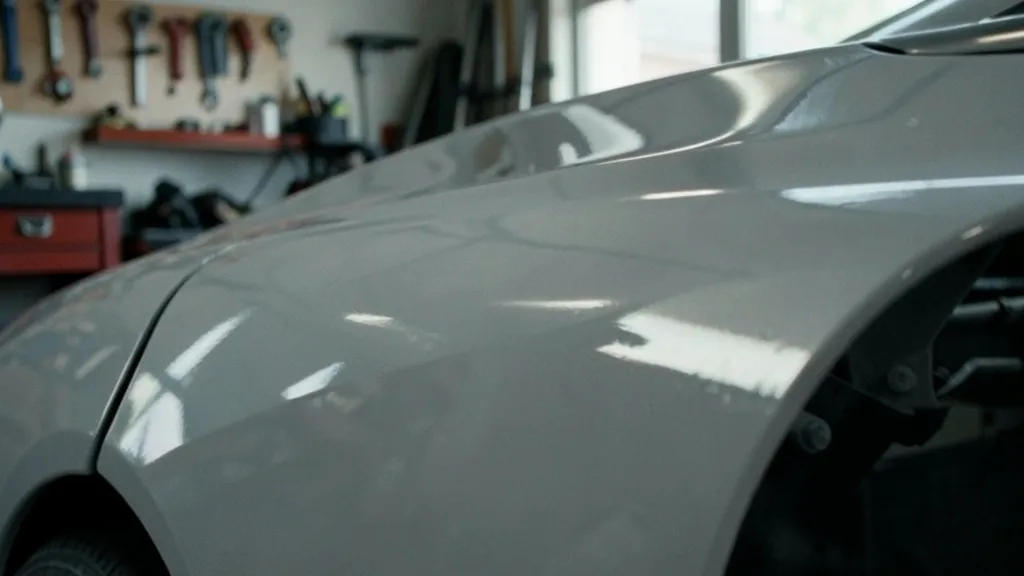
Fargo’s climate swings from blistering summer sun to subzero winters, pushing automotive finishes to their limits. Ceramic coatings are built for this, but their longevity hinges on how well they’re applied and maintained. We break down the science and local realities behind lasting protection.
Why Fargo’s Climate is a Ceramic Coating Stress Test
Our summers deliver intense UV exposure, accelerating paint oxidation and breaking down lesser sealants. Ceramic coatings, with their SiO2 or TiO2 matrices, resist this by forming a sacrificial barrier that slows degradation.
Winters bring road salt, sand, and ice-melting chemicals that etch unprotected clear coats. A properly cured ceramic layer repels these contaminants, but only if the coating’s cross-linking is fully developed before exposure.
Temperature swings cause thermal expansion and contraction in paint and metal. High-quality ceramics flex with the substrate, preventing micro-fractures that lead to peeling or hazing over time.
UV Damage: The Silent Paint Killer in North Dakota
Fargo’s long summer days mean prolonged UV bombardment. Without protection, paint fades, loses gloss, and develops a chalky texture as the binder breaks down.
Ceramic coatings absorb and scatter UV rays, shielding the base coat. High-quality formulations include UV stabilizers that extend the life of both the coating and the underlying paint.
Even in winter, UV rays reflect off snow, amplifying exposure. A fresh ceramic layer ensures year-round defense, especially critical for dark-colored vehicles in West Fargo or Moorhead.
Store-bought ceramic sprays lack the durability of professional-grade coatings. They often fail within months under Fargo’s UV intensity, leaving paint vulnerable.
Road Salt and Ice Melt: The Winter Threat to Your Coating
Magnesium chloride and calcium chloride don’t just corrode metal—they attack clear coats and poorly cured ceramics. A thick, professional-grade coating resists these chemicals far longer than wax or sealants.
The key is hydrophobicity. Water beads and rolls off, taking contaminants with it. But if the coating isn’t maintained, salt residue can build up, leading to water spots or even etching.
In Horace and Dilworth, where rural roads see heavy salt use, frequent washing is non-negotiable. A ceramic-coated vehicle stays cleaner, but it’s not maintenance-free.
Thermal Shock: How Temperature Swings Affect Adhesion
Fargo’s temperature can swing 50°F in a day. This stresses the bond between coating and paint. Inferior products crack; premium ceramics flex and recover.
Proper surface prep is critical. Paint correction removes contaminants and imperfections, ensuring the coating adheres uniformly. Skipping this step risks premature failure.
In Mapleton, where rural parking exposes vehicles to extreme heat and cold, we often pair ceramic coatings with paint protection film (PPF) on high-impact areas for added resilience.
| Factor | Ceramic Coating | Traditional Wax |
|---|---|---|
| UV Protection | High (SiO2/TiO2 barrier) | Low (minimal UV blockers) |
| Chemical Resistance | Excellent (resists salt, acids) | Poor (breaks down quickly) |
| Durability | 2-5+ years (with care) | 1-3 months |
| Hydrophobicity | Extreme (water sheets off) | Moderate (beads briefly) |
| Thermal Stability | High (flexes with substrate) | Low (softens in heat, cracks in cold) |
Pre-Application: The Make-or-Break Step for Longevity
A ceramic coating is only as good as the surface it’s applied to. Paint correction and polishing remove swirls, oxidation, and contaminants that prevent proper bonding.
We use clay bars and iron-removal sprays to decontaminate the paint before coating. Even a single speck of rail dust can cause a failure point under Fargo’s harsh conditions.
For vehicles in West Fargo or Moorhead with existing clear coat damage, a light polish restores clarity before the ceramic layer locks in the finish.
Pre-Coating Prep Essentials
- Full vehicle wash with pH-neutral soap
- Clay bar decontamination
- Iron-removal spray treatment
- Paint correction (if needed)
- Final wipe-down with isopropyl alcohol
Maintenance: Keeping Your Coating Strong Through the Seasons
Ceramic coatings aren’t self-cleaning, but they make maintenance easier. Weekly washes with a pH-neutral shampoo prevent contaminant buildup that can degrade the hydrophobic layer.
Avoid automatic car washes with harsh brushes—they can introduce micro-scratches that compromise the coating’s integrity. Hand washing or touchless systems are safer for coated vehicles in Dilworth or Horace.
Every 6-12 months, a ceramic booster spray refreshes the hydrophobic properties. This is especially important after Fargo’s brutal winters, when road grime has taken its toll.
Use one bucket for soap and another for rinsing your mitt. This prevents swirls and extends your coating’s life by reducing abrasive contaminants.
When to Consider Additional Protection
For daily drivers in high-impact areas (like construction zones in Mapleton), pairing ceramic coatings with paint protection film (PPF) provides strong defense against rock chips and scratches.
Wheel and brake caliper ceramic coatings protect against brake dust and road salt, which are particularly harsh in winter. These areas often see the first signs of corrosion if left uncoated.
Interior ceramic protection is a smart add-on for Fargo families. It repels spills, UV rays, and pet hair, keeping cabins looking new despite the region’s muddy springs and dusty summers.
Signs Your Ceramic Coating Needs Attention
Water no longer beads as tightly or sheets off the surface. This indicates the hydrophobic layer is wearing thin, often after 18-24 months in Fargo’s climate.
Swirl marks or hazing appear more easily. While ceramics resist scratches, they’re not scratch-proof. A fresh layer or paint correction may be needed.
Contaminants like tar or bird droppings stick more stubbornly. This suggests the self-cleaning properties are fading, and a maintenance spray or reapplication is due.
How to Extend Your Ceramic Coating’s Life in Fargo’s Climate
Follow these steps to maximize your coating’s durability against North Dakota’s extremes.
- 1Wash Regularly
Use a pH-neutral car shampoo and the two-bucket method weekly to remove contaminants before they bond to the coating.
- 2Decontaminate Seasonally
Every 3-4 months, use a clay bar and iron-removal spray to eliminate embedded contaminants that washing misses.
- 3Avoid Harsh Chemicals
Skip dish soaps, degreasers, or wax-based products. These can strip or degrade the ceramic layer over time.
- 4Apply a Booster Spray
Every 6-12 months, use a ceramic-boosting spray to refresh hydrophobicity and gloss, especially after winter.
- 5Park Smart
Whenever possible, park in a garage or under cover to shield your vehicle from UV rays, snow, and ice melt.
- 6Inspect Annually
Have a professional assess your coating’s condition. They can spot early signs of wear and recommend touch-ups or reapplication.
Frequently Asked Questions
How long does a ceramic coating last in Fargo’s climate?
With proper prep and maintenance, professional ceramic coatings typically last 2-5 years in Fargo. The exact lifespan depends on factors like sun exposure, road salt use, and how well the vehicle is cared for. Request a quote to discuss options tailored to your driving habits.
Can ceramic coating protect against Fargo’s road salt?
Yes, but it’s not invincible. High-quality ceramic coatings resist salt and chemical etching far better than wax or sealants. However, frequent washing is still required to prevent buildup, especially during Moorhead and West Fargo winters.
Is paint correction necessary before ceramic coating in Ceramic Coating Fargo?
Absolutely. Paint correction removes swirls, oxidation, and contaminants that prevent the coating from bonding properly. Skipping this step can lead to premature failure, especially under Fargo’s UV and temperature swings.
Will ceramic coating prevent rock chips in Dilworth or Horace?
Ceramic coatings add a hard layer of protection, but they won’t stop rock chips entirely. For high-impact areas, we recommend pairing a coating with paint protection film (PPF) for a stronger defense against road debris.
How do I know if my ceramic coating is failing?
Watch for reduced water beading, easier staining, or a duller appearance. If water no longer sheets off the surface or contaminants stick more stubbornly, it’s time for a maintenance boost or professional reassessment.
Can I apply ceramic coating myself for my vehicle in Mapleton?
While DIY kits exist, professional application ensures proper prep, even coverage, and curing—critical for durability in Fargo’s climate. Mistakes in prep or application can lead to peeling, hazing, or reduced lifespan.