How Hard Water Damages Ceramic Coatings and What Fargo Drivers Can Do in Ceramic Coating Fargo
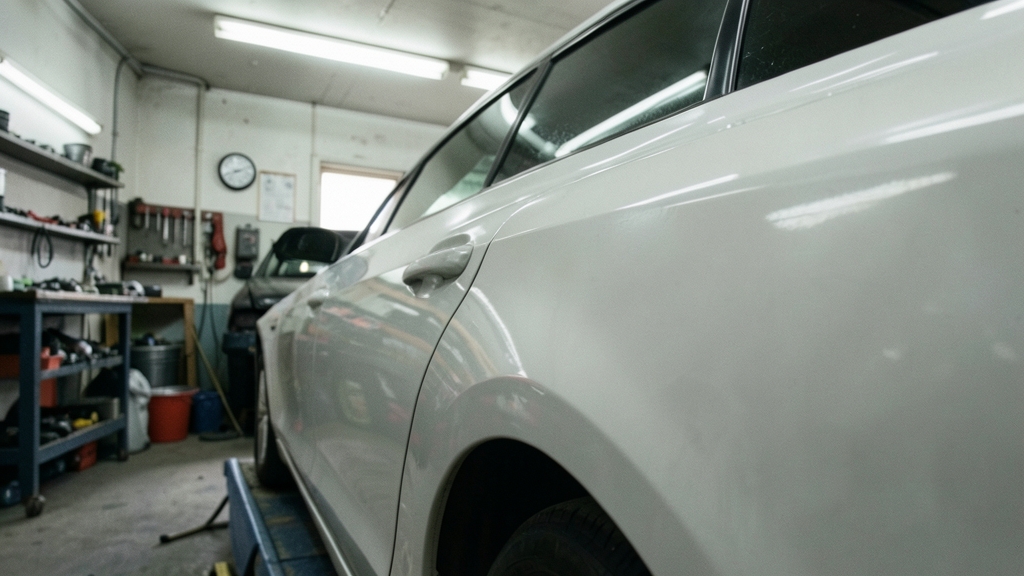
Hard water isn’t just a nuisance for your home’s pipes—it’s a silent enemy to your vehicle’s ceramic coating. In our region, mineral-heavy water leaves behind stubborn spots that etch into clear coat and degrade hydrophobic properties over time. We’ll show you how to combat it and keep your coating performing like new.
Why Hard Water Is a Threat to Ceramic Coatings in Fargo
Fargo’s tap water carries high levels of calcium, magnesium, and iron. When it evaporates on your vehicle, it leaves mineral deposits that bond to the ceramic coating’s surface.
These deposits aren’t just unsightly—they create microscopic pits that compromise the coating’s self-cleaning ability and gloss. Over time, they can even reduce the lifespan of your Full-Vehicle Ceramic Coating.
The problem worsens in summer when water spots bake under the sun, and in winter when road salt mixes with hard water residue. Drivers in West Fargo and Moorhead see the same issues.
Hard water spots left for more than 48 hours can begin etching into the coating. Prompt attention helps prevent permanent damage.
Signs Your Ceramic Coating Is Suffering from Hard Water
Visible white or chalky residue is the first red flag. These spots often feel rough to the touch and resist normal washing.
Loss of hydrophobicity—water no longer beads and sheets off—is another sign. This means the coating’s protective layer is breaking down.
In severe cases, you’ll notice dullness or hazing on the paint, especially on darker vehicles. This often requires Paint Correction & Polishing to restore.
Hard Water vs. Soft Water: How They Affect Your Coating
Soft water lacks the minerals that cause damage, making it ideal for washing and maintaining ceramic coatings. It rinses clean without leaving deposits.
Hard water, on the other hand, leaves behind minerals that adhere to the coating. Even with regular washes, these minerals accumulate and degrade performance.
| Factor | Hard Water | Soft Water |
|---|---|---|
| Mineral Deposits | High (calcium, magnesium, iron) | None |
| Surface Etching Risk | High | None |
| Hydrophobic Performance | Degrades over time | Maintains integrity |
| Long-Term Coating Health | Reduced lifespan | Optimal longevity |
The Best Ways to Remove Hard Water Spots Safely
Start with a pH-neutral car soap and a microfiber wash mitt. Avoid harsh chemicals that can strip the coating.
For stubborn spots, use a dedicated water spot remover designed for ceramic coatings. Apply it to a microfiber towel and gently work the area.
In extreme cases, a light clay bar treatment can lift embedded minerals. Follow up with a quick detailer to restore hydrophobicity. This is a service we often pair with Paint Correction & Polishing for West Fargo and Dilworth clients.
Hard Water Spot Removal Steps
- Wash the vehicle with pH-neutral soap
- Dry thoroughly with a clean microfiber towel
- Apply a ceramic-safe water spot remover
- Use a clay bar for embedded minerals (if needed)
- Reapply a quick detailer to restore protection
Preventing Hard Water Damage Before It Starts
The best defense is a proactive approach. Always dry your vehicle immediately after washing to prevent water from evaporating and leaving deposits.
Use deionized water for your final rinse if possible. This removes minerals before they can settle on the coating.
Regular maintenance washes every 2 weeks help prevent buildup. For added protection, consider Ceramic Window Tint and Wheel & Brake Caliper Ceramic Coating to shield all surfaces.
If deionized water isn’t available, use a water filter on your hose. It’s a cost-effective way to reduce mineral content during washes.
When to Call a Professional for Hard Water Damage
If water spots have etched into the clear coat or the ceramic coating’s performance has significantly degraded, it’s time for professional intervention.
Our team specializes in Paint Correction & Polishing to restore the surface before reapplying a ceramic coating. This is especially common for vehicles in Horace and Mapleton, where hard water is prevalent.
For severe cases, we may recommend Paint Protection Film (PPF) Installation as an added layer of defense against both hard water and road debris.
Long-Term Solutions for Fargo’s Hard Water Challenge
Invest in a high-quality ceramic coating with strong hydrophobic properties. These coatings repel water more effectively, reducing the chance of mineral bonding.
Consider a maintenance plan that includes regular inspections and touch-ups. This ensures your coating stays in peak condition despite the local water quality.
For fleet and commercial vehicles, our Fleet & Commercial Vehicle Coating services provide durable protection tailored to high-mileage use in harsh conditions.
How to Wash Your Vehicle to Avoid Hard Water Damage
Follow these steps to minimize hard water spots and keep your ceramic coating in top shape.
- 1Pre-Rinse with Pressure
Use a pressure washer to remove loose dirt and minerals before they can bond to the surface.
- 2Use pH-Neutral Soap
Wash with a ceramic-safe, pH-neutral soap to avoid stripping the coating or leaving residue.
- 3Two-Bucket Method
Use one bucket for soap and another for rinsing your mitt to prevent cross-contamination.
- 4Final Rinse with Filtered Water
Rinse with deionized or filtered water to remove any remaining minerals.
- 5Dry Immediately
Use a clean microfiber towel to dry the vehicle completely, preventing water spots from forming.
- 6Apply a Quick Detailer
Spray a ceramic-safe quick detailer to restore hydrophobicity and add an extra layer of protection.
Frequently Asked Questions
Can hard water completely ruin my ceramic coating in Fargo?
Hard water won’t destroy the coating overnight, but it will degrade its performance and appearance over time. Prompt removal of spots and proper maintenance can prevent long-term damage. For severe cases, professional Paint Correction & Polishing may be needed.
How often should I wash my car to prevent hard water damage?
We recommend washing your vehicle every 2 weeks, especially in Fargo’s climate. More frequent washes may be necessary after heavy rain or road salt exposure in winter. Always dry immediately to avoid spots.
Is deionized water necessary for washing a ceramic-coated car?
While not mandatory, deionized water is ideal for the final rinse. It ensures no minerals are left behind to bond with the coating. If it’s not available, a water filter can help reduce mineral content.
What’s the difference between hard water spots and water etching?
Hard water spots are surface-level mineral deposits that can often be removed with detailing products. Water etching occurs when minerals eat into the clear coat, requiring Paint Correction & Polishing to repair.
Does ceramic coating make my car immune to hard water damage?
Ceramic coatings provide strong protection, but they aren’t invincible. Hard water can still leave spots and degrade the coating over time if not properly maintained. Regular care is essential.
Can I use vinegar to remove hard water spots from my ceramic coating?
We don’t recommend vinegar or other DIY acids, as they can damage the coating or underlying paint. Use a pH-neutral, ceramic-safe water spot remover instead for safe and effective results.