How to Prevent and Fix Water Etching with Ceramic Coating in Fargo in Ceramic Coating Fargo, ND
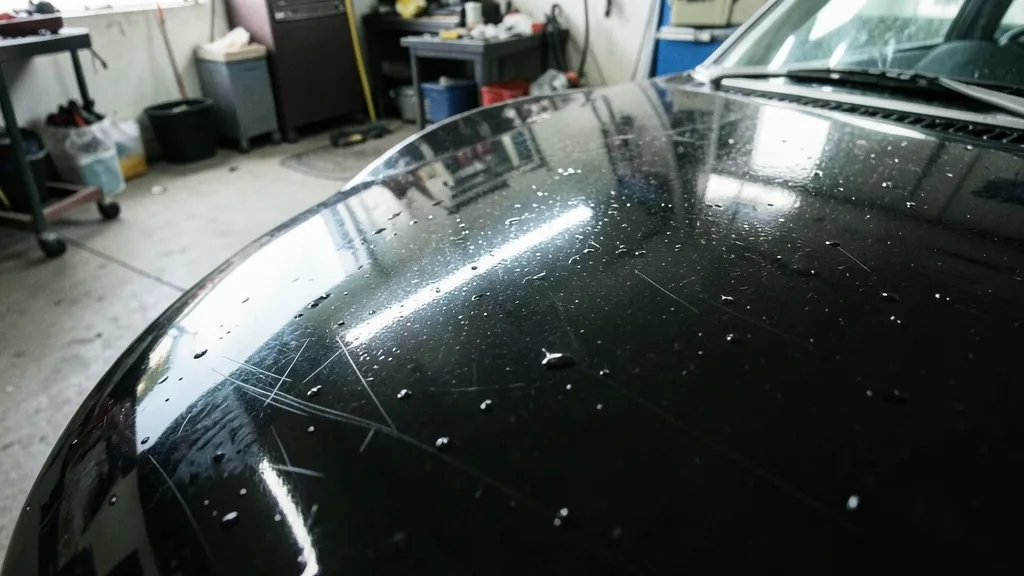
Water etching is a silent enemy for vehicle paint, especially in regions like ours where hard water and road salt are common. Even a high-quality ceramic coating can’t stop it entirely without proper care. We’ll show you how to prevent, identify, and fix water etching to keep your finish flawless.
What Is Water Etching and Why Does It Happen?
Water etching occurs when mineral-rich water—like rain, sprinklers, or melted snow—dries on your paint, leaving behind microscopic deposits. Over time, these minerals (often calcium or magnesium) chemically react with the clear coat, creating dull, cloudy spots or even permanent damage.
In Fargo’s climate, hard water from automatic car washes and road salt residue in winter amplify the risk. Even ceramic-coated vehicles aren’t immune if contaminants aren’t removed promptly.
Signs Your Vehicle Has Water Etching
Look for hazy, swirled, or dull patches on the paint, especially on horizontal surfaces like the hood or roof. These spots often feel rough to the touch and won’t disappear with a standard wash.
Under direct sunlight, water etching can appear as faint, web-like patterns. If left untreated, it can weaken the clear coat, making the paint more susceptible to UV damage and oxidation.
Swirl marks are surface scratches from improper washing. Water etching is chemical damage beneath the clear coat. A trained eye—or a professional inspection—can tell the difference.
How Ceramic Coating Helps (and Where It Falls Short)
A professional-grade ceramic coating adds a hydrophobic layer that repels water and contaminants, reducing the chance of mineral deposits bonding to the paint. It also makes cleaning easier, so you can remove harmful particles before they cause damage.
However, ceramic coatings aren’t invincible. In extreme cases—like prolonged exposure to hard water or industrial fallout—they can still develop etching. That’s why regular maintenance is critical, even on coated vehicles.
Ceramic Coating vs. Paint Protection Film for Water Etching
Both ceramic coatings and paint protection film (PPF) offer protection, but they work differently. PPF is a physical barrier that can self-heal minor scratches and resist chemical etching better than any coating. Ceramic coatings, however, provide long-term gloss and UV resistance with lower maintenance.
For maximum defense against water etching in Fargo’s harsh winters, some drivers combine both: PPF for high-impact areas (like the front bumper) and ceramic coating for the rest of the vehicle.
| Feature | Ceramic Coating | Paint Protection Film (PPF) |
|---|---|---|
| Protection Against Water Etching | Good (with maintenance) | Excellent |
| Durability | 3-5+ years | 5-10+ years |
| Self-Healing | No | Yes (minor scratches) |
| Gloss & Hydrophobicity | High | Moderate |
| Maintenance | Low (regular washing) | Low (but requires professional installation) |
| Cost Factors | Varies by vehicle size, prep work, and coating tiers | Varies by coverage area, film type, and installation complexity |
Step-by-Step: Preventing Water Etching on Ceramic-Coated Vehicles
Prevention starts with how you wash your car. Always use a pH-neutral automotive soap and avoid automatic car washes with hard water. In Fargo, where road salt is prevalent, rinse your vehicle frequently in winter to remove corrosive residues.
After washing, dry the vehicle immediately with a microfiber towel to prevent water spots. For extra protection, apply a ceramic boost spray every 3-6 months to refresh the hydrophobic properties.
Water Etching Prevention Checklist
- Use pH-neutral car soap and distilled water for final rinse
- Wash vehicle weekly (more often in winter)
- Dry immediately with a clean microfiber towel
- Apply a ceramic boost spray every 3-6 months
- Park in a garage or under cover to avoid prolonged water exposure
- Inspect for etching after heavy rain or snowmelt
Can You Remove Water Etching from a Ceramic-Coated Car?
If the etching is superficial, a professional paint correction process can restore the finish. This involves machine polishing with fine abrasives to level the clear coat and remove the damaged layer. For ceramic-coated vehicles, we first remove the coating in the affected area before correcting the paint.
Deep etching that has penetrated the clear coat may require repainting. That’s why early detection and prevention are key—especially in areas like West Fargo or Moorhead, where hard water is common.
Light water spots can sometimes be removed with a clay bar and polish, but deep etching requires professional tools and expertise. Attempting DIY correction on a ceramic-coated car can void warranties or damage the finish.
Why Fargo’s Climate Demands Extra Attention
Our region’s hard water, road salt, and temperature swings create a perfect storm for water etching. In winter, melted snow and ice leave behind mineral deposits that cling to paint. In summer, sprinkler systems and dust storms add to the risk.
Vehicles in Horace, Mapleton, or Dilworth face the same challenges. A ceramic coating paired with regular decontamination washes (using iron removers and clay bars) is the best defense against long-term damage.
Related Services to Enhance Protection
For comprehensive defense, consider pairing ceramic coating with other protective services. Paint correction ensures a flawless base before coating, while PPF installation adds a physical shield against etching and scratches.
Ceramic window tint reduces UV exposure inside the cabin, and wheel ceramic coating protects against brake dust and road grime. For fleets or commercial vehicles in Fargo, full-vehicle coatings can extend the life of your investment.
How to Safely Remove Light Water Spots at Home
If you catch water spots early, you may be able to remove them without professional help.
- 1Wash the Vehicle
Start with a thorough wash using pH-neutral soap to remove surface contaminants. Dry the car completely with a microfiber towel.
- 2Clay Bar Decontamination
Use a clay bar with lubricant to lift embedded minerals from the paint. This step is critical before polishing.
- 3Apply a Light Polishing Compound
Use a dual-action polisher with a fine polishing pad and a light abrasive compound. Work in small sections, checking progress frequently.
- 4Inspect and Seal
After polishing, inspect the area under good lighting. If the spots are gone, apply a ceramic boost spray or sealant to protect the paint.
- 5Monitor for Recurrence
Keep an eye on the treated area. If spots return, it may indicate deeper etching that requires professional correction.
Frequently Asked Questions
Does ceramic coating prevent water etching completely?
No ceramic coating is 100% etching-proof, but a high-quality coating significantly reduces the risk by repelling water and contaminants. Regular maintenance is still required, especially in hard water areas like Fargo.
How often should I wash my car to prevent water etching in Fargo?
We recommend washing your vehicle weekly, or immediately after exposure to road salt, hard water, or heavy rain. In winter, rinse off salt residue as soon as possible to prevent long-term damage.
Can water etching be fixed on a ceramic-coated car?
Yes, but it depends on the severity. Light etching can often be polished out, but deep damage may require repainting. For ceramic-coated vehicles, the coating must be removed in the affected area before correction.
Is paint protection film better than ceramic coating for water etching?
PPF offers superior protection against water etching because it’s a physical barrier. However, ceramic coatings provide better gloss and UV resistance. For maximum protection, many drivers in West Fargo or Moorhead use both.
What’s the best way to dry my car to avoid water spots?
Use a high-quality microfiber towel or a blower (like a leaf blower on cool setting) to dry your car immediately after washing. Avoid air drying, as it can leave mineral deposits behind.
Do I need to reapply ceramic coating after fixing water etching?
If the etching was removed via polishing, the ceramic coating in that area is likely compromised. We recommend reapplying the coating to restore full protection, especially in high-risk areas like the hood or roof.