Why Clay Bars Are Essential for Paint Correction Before Ceramic Coating in Fargo in Ceramic Coating Fargo, ND
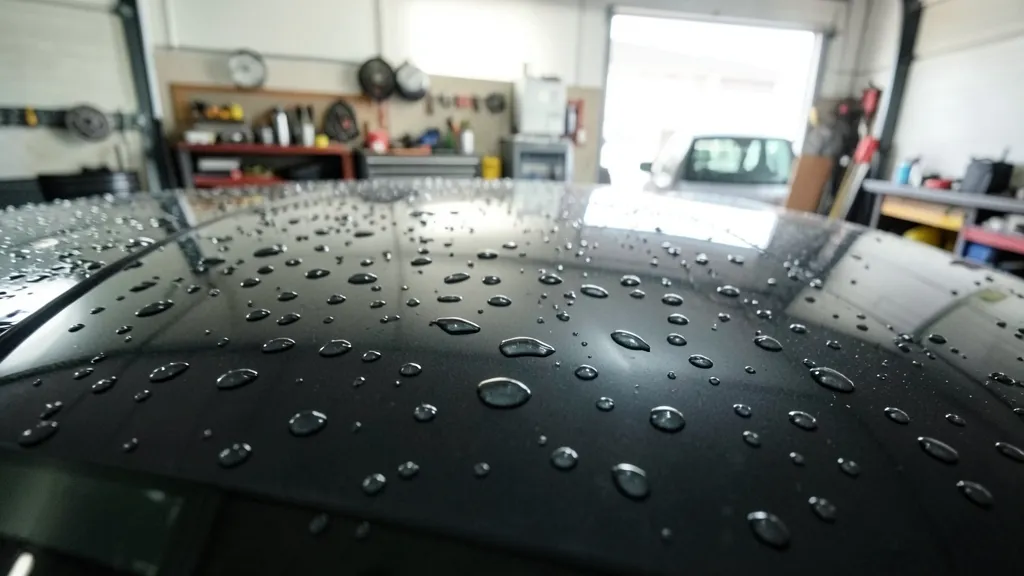
A flawless ceramic coating starts with a flawless surface. Clay bars remove embedded contaminants that washing can’t, ensuring your paint correction in Fargo sets the stage for maximum durability and shine. Without this step, even the best ceramic coating won’t bond properly.
What Clay Bars Actually Remove from Your Paint
Clay bars lift bonded contaminants like iron particles, tar, and industrial fallout that cling to your clear coat. These invisible invaders create roughness, dulling your finish and sabotaging adhesion for ceramic coatings or paint protection film.
In Fargo’s harsh winters, road salt and grime embed deeply. A standard wash won’t touch them—only a clay bar can pull these particles free without damaging the paint.
Clay Bar vs. Traditional Washing: Why It’s Not the Same
Washing removes surface dirt, but clay bars tackle what’s *bonded* to the paint. Think of it like exfoliating your skin—you’re not just rinsing; you’re pulling out what’s lodged beneath the surface.
This step is non-negotiable before paint correction or ceramic coating. Skipping it risks trapping contaminants under your new coating, leading to premature peeling or uneven texture.
| Method | Removes | Limitations |
|---|---|---|
| Two-Bucket Wash | Loose dirt, dust, grime | Misses embedded contaminants |
| Clay Bar | Bonded iron, tar, fallout, overspray | Requires lubrication; can mar paint if misused |
| Paint Correction | Swirls, scratches, oxidation | Won’t remove embedded particles alone |
The Risk of Skipping Decontamination Before Ceramic Coating
Applying ceramic coating over contaminated paint is like building a house on sand. The coating won’t adhere evenly, reducing its lifespan and leaving your finish vulnerable to peeling or hazing.
In areas like West Fargo or Moorhead, where road debris is heavy, skipping clay bar decontamination often leads to a subpar result.
Ceramic coatings bond to clean, smooth surfaces. Embedded contaminants create microscopic gaps, weakening the bond and shortening the coating’s life.
How We Use Clay Bars in Our Paint Correction Process
We start with a thorough wash to remove loose dirt, then use a high-quality clay bar with a dedicated lubricant. This glide reduces friction, preventing micro-marring on your clear coat.
For stubborn contamination, we may use a stronger clay grade or a clay mitt for larger panels. Every vehicle—whether it’s a daily driver in Horace or a show car in Dilworth—gets the same meticulous prep.
Clay Bar Grades: Matching the Tool to the Job
Not all clay bars are created equal. Mild grades work for light contamination, while aggressive clays tackle heavy fallout or overspray. Using the wrong grade can cause unnecessary marring or leave contaminants behind.
Synthetic clays are another option, often more durable and less prone to breaking down. We choose based on your vehicle’s condition and the level of paint correction needed.
Choosing the Right Clay Bar
- Inspect for visible contamination (run your hand over the paint in a plastic bag to feel roughness)
- Start with a mild clay for regular maintenance
- Upgrade to medium or aggressive clay for heavy fallout or industrial areas
- Use synthetic clay for longevity and ease of use
Common Mistakes DIYers Make with Clay Bars
Dropping the clay bar is a classic error—once it hits the ground, it’s contaminated. Always keep it in a clean, sealed container when not in use.
Using insufficient lubricant causes dragging, which can scratch your paint. And never reuse a clay bar on another vehicle without reconditioning it first.
Slide your hand over the paint inside a plastic bag. If it feels rough, it’s time for a clay bar. This simple test reveals contaminants you can’t see.
After Clay: The Next Steps in Paint Correction
Once decontaminated, we inspect the paint for swirls, scratches, or oxidation. Paint correction follows, using compounds and polishes to restore clarity before applying ceramic coating or paint protection film.
For vehicles in Mapleton or rural areas, we often see more severe oxidation due to prolonged sun exposure. Correcting this ensures the ceramic coating has a pristine surface to bond to.
Beyond Paint: Clay Bars for Wheels and Glass
Clay bars aren’t just for paint. We use them on wheels to remove brake dust and iron particles, and on glass to prep for ceramic window tint. This ensures every surface is contamination-free before protection is applied.
Wheel ceramic coating and brake caliper coating also require this step. Brake dust is highly abrasive—clay removes it so the coating can adhere properly and last longer.
How to Clay Bar Your Car Like a Pro
Follow these steps to safely decontaminate your paint before ceramic coating or paint correction.
- 1Wash Thoroughly
Use the two-bucket method to remove all loose dirt. Dry the surface completely with a microfiber towel.
- 2Prep the Clay Bar
Knead the clay bar until pliable. Divide it into smaller, flat pieces for easier handling.
- 3Apply Lubricant
Spray a dedicated clay lubricant or diluted car soap onto a small section of the paint.
- 4Glide the Clay
Gently rub the clay bar over the lubricated area in straight lines. Avoid circular motions to prevent marring.
- 5Inspect and Repeat
Wipe the area dry and check for smoothness. Re-clay any rough spots, then move to the next section.
- 6Final Rinse
Rinse the entire vehicle to remove lubricant residue. Dry and inspect before proceeding to paint correction or ceramic coating.
Frequently Asked Questions
Can I skip clay bar decontamination if my car looks clean?
No. Even a freshly washed car can have embedded contaminants invisible to the eye. Clay barring is essential for proper adhesion of ceramic coatings, especially in areas like Fargo where road salt and grime are common.
How often should I clay bar my car before ceramic coating?
Once is enough if done thoroughly before the coating is applied. However, if your car sits outside in Moorhead or Dilworth, we recommend decontaminating every 6-12 months to maintain the coating’s integrity.
Will clay barring remove scratches or swirl marks?
No, clay bars remove contamination, not imperfections in the paint. For scratches or swirls, paint correction with compounds and polishes is required before ceramic coating.
Can I use a clay bar on matte or satin paint?
Yes, but use a *fine-grade* clay bar and extra lubricant to avoid marring. Matte finishes are more sensitive, so proceed with caution or leave it to professionals.
What’s the difference between a clay bar and a clay mitt?
Clay bars are traditional and highly effective but can be messy. Clay mitts offer more control and are easier to use on vertical surfaces. Both achieve the same goal—removing bonded contaminants.
Do you offer clay bar decontamination as a standalone service in Fargo?
We include decontamination as part of our full paint correction and ceramic coating packages. For standalone decontamination, contact us to request a quote—it’s often bundled with other prep work for best results.