Transparency in Prep: How Reputable Fargo Ceramic Coating Shops Operate in Ceramic Coating Fargo
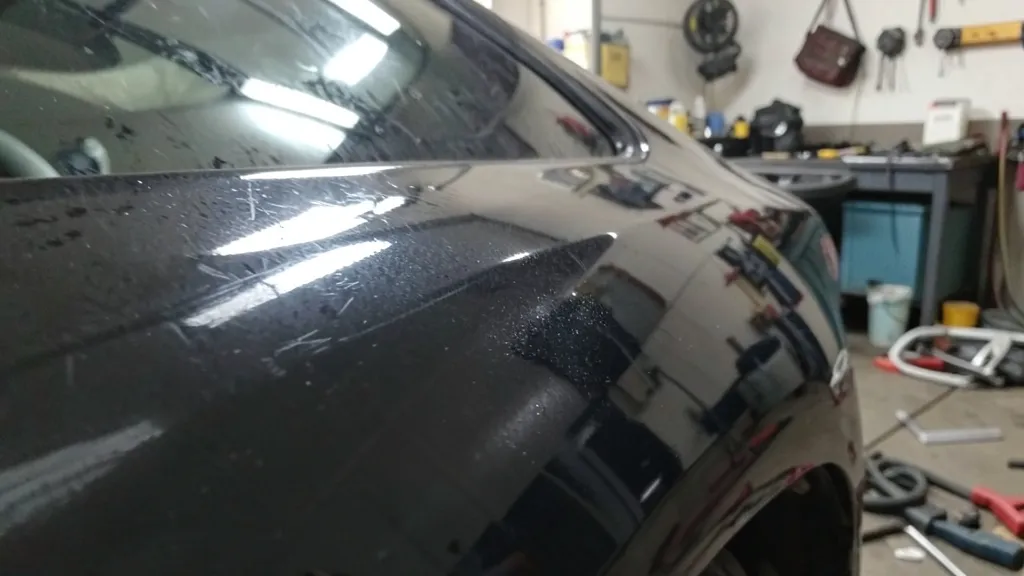
A flawless ceramic coating starts long before the first drop touches your paint. In our region, where road salt and extreme temps test every finish, proper prep isn’t just a step—it’s the foundation. We break down how reputable shops in Fargo and surrounding areas like West Fargo and Moorhead approach this critical phase to ensure your coating lasts, not just looks good on day one.
Why Prep Work Makes or Breaks Your Ceramic Coating
Ceramic coatings bond chemically to your clear coat. If the surface isn’t pristine, contaminants create weak points where the coating can fail prematurely.
In North Dakota’s climate, embedded iron particles from brake dust and road grime are common. Skipping deep decontamination means trapping these under the coating, leading to rust spots or peeling over time.
A shop that rushes prep to cut costs will deliver a coating that peels, yellows, or fails within months. Always ask for a detailed prep checklist.
The Non-Negotiable Steps of Professional Paint Prep
We begin with a thorough wash using pH-neutral shampoo to remove surface dirt without stripping existing wax or sealants.
Next, a clay bar or synthetic clay mitt lifts embedded contaminants that washing alone can’t touch. This step is critical for vehicles in Horace or Dilworth, where rural roads kick up extra debris.
Iron remover sprays then dissolve brake dust and rail dust, turning purple as they lift metallic particles from the paint. This isn’t optional—it’s essential for long-term adhesion.
Paint Correction: The Difference Between Good and Great
Not all prep includes paint correction, but the best results do. Swirl marks, oxidation, and water spots are sanded or polished out to restore clarity before coating.
We use dual-action polishers and fine abrasives to level the clear coat, ensuring the ceramic coating bonds to a smooth, defect-free surface. This step is what separates a “shiny” job from a showroom finish.
For older vehicles or those with heavy damage, multi-stage correction may be needed. This adds time but ensures the coating amplifies depth and gloss, not imperfections.
| Correction Level | Defects Addressed | Typical Vehicles |
|---|---|---|
| Light (1-Stage) | Minor swirls, light oxidation | Newer cars, well-maintained daily drivers |
| Moderate (2-Stage) | Deeper scratches, moderate oxidation | Used vehicles, 3-5 years old |
| Heavy (3-Stage+) | Severe swirls, deep scratches, heavy oxidation | Older cars, neglected paint, fleet vehicles |
Decontamination Beyond the Surface: What Most Shops Miss
After clay and iron removal, we inspect for remaining contaminants with a paint thickness gauge. This ensures no filler or overspray is hiding beneath the surface.
A final IPA (isopropyl alcohol) wipe-down removes any remaining oils or residues from polishes. This step is often skipped by less meticulous shops but is vital for chemical bonding.
For wheels and brake calipers—commonly coated in Mapleton and West Fargo—we use dedicated cleaners to remove brake dust and iron before applying ceramic coatings designed for high-heat areas.
Ask if your shop uses a paint thickness gauge. This tool reveals hidden bodywork or thin clear coat areas that need special attention before coating.
Environmental Controls: The Unsung Hero of Fargo Coating Installations
Ceramic coatings require a dust-free, climate-controlled space to cure properly. In Fargo’s dry winters, static can attract dust; in humid summers, moisture can interfere with bonding.
Our team maintains a clean, filtered environment with controlled humidity (40-60%) and temperature (65-75°F). This ensures the coating levels evenly and achieves maximum hardness.
Even the application tools matter. We use high-quality microfiber applicators and nitrile gloves to avoid introducing oils or lint into the coating.
Application: Where Precision Meets Patience
We apply ceramic coatings panel-by-panel, working in small sections to ensure even coverage. This prevents streaking or uneven layers, especially on curved surfaces like fenders or hoods.
For full-vehicle ceramic coatings, multiple layers may be applied to high-wear areas (e.g., front bumper, hood, roof). Each layer adds durability and hydrophobicity but requires proper flash time between coats.
Some shops in Moorhead or Dilworth offer add-ons like ceramic window tint or interior protection. These use similar prep principles—deep cleaning and decontamination—to ensure longevity.
What to Expect After Your Coating Is Applied
Your vehicle will need 24-48 hours to cure before it can be exposed to water. During this time, avoid washing, rain, or even heavy dew to prevent water spotting.
For the first two weeks, use only pH-neutral car shampoos and avoid automatic car washes with harsh brushes. This allows the coating to fully bond and reach its rated hardness (typically 9H).
Maintenance is simpler with a ceramic coating, but not nonexistent. Regular washes and annual inspections help extend the life of your coating, especially in harsh ND winters.
Post-Coating Care Essentials
- Wait 24-48 hours before exposing to water
- Use pH-neutral shampoo for the first 2 weeks
- Avoid automatic car washes with brushes
- Dry the vehicle with a clean microfiber towel to prevent water spots
- Reapply a ceramic boost spray every 3-6 months for enhanced hydrophobicity
Red Flags: How to Spot a Fargo Coating Shop Cutting Corners
Beware of shops that quote a 2-3 hour ceramic coating service. Proper prep and application for a full vehicle typically take 1-3 days, depending on paint condition and coating layers.
If a shop doesn’t mention decontamination, paint correction, or environmental controls, they’re likely skipping critical steps. Ask for a written prep and application process upfront.
Price isn’t the only indicator, but extremely low quotes often mean diluted products or rushed prep. Request a quote and compare the proposed steps, not just the bottom line.
How to Verify a Shop’s Prep Process Before Committing
Not all ceramic coating shops in Fargo are created equal—here’s how to separate the professionals from the pretenders.
- 1Ask for a Detailed Prep Breakdown
A reputable shop will outline every step, from decontamination to final IPA wipe-down. Vague answers like “we clean it first” are a red flag.
- 2Inquire About Paint Correction
If your vehicle has swirls or oxidation, ask if correction is included or recommended. Skip this, and your coating will amplify flaws, not hide them.
- 3Check Their Environment
Visit the shop to see if they have a dedicated, climate-controlled bay for coatings. Dusty or open-air spaces lead to contamination.
- 4Request References or Portfolio
Look for before-and-after photos of vehicles similar to yours, especially in local conditions (e.g., salt exposure in West Fargo or Moorhead).
- 5Confirm Product and Warranty Details
Professional-grade coatings (e.g., Gyeon, Ceramic Pro, CarPro) come with warranties. Ask for the product name and warranty terms in writing.
Frequently Asked Questions
How long does a professional ceramic coating last in Fargo’s climate?
With proper prep and maintenance, a high-quality ceramic coating can last 3-5 years or more. However, North Dakota’s harsh winters with road salt and temperature swings may shorten this slightly. Annual inspections and reapplication of a top-up spray can extend its life.
Is paint correction always necessary before ceramic coating in Ceramic Coating Fargo?
Not always, but it’s highly recommended for most vehicles. If your paint has swirl marks, oxidation, or water spots, correcting these defects ensures the coating bonds to a smooth surface and enhances gloss. Newer cars with pristine paint may only need light polishing.
Can I apply a ceramic coating myself, or should I hire a pro?
DIY ceramic coatings are available, but they lack the durability and depth of professional-grade products. The prep work alone requires tools and expertise most enthusiasts don’t have. For long-term protection, especially in areas like Horace or Mapleton where conditions are tough, a professional installation is worth the investment.
What’s the difference between a ceramic coating and Paint Protection Film (PPF)?
Ceramic coatings are liquid polymers that bond to paint, providing a hydrophobic, UV-resistant layer. PPF is a physical urethane film that offers superior protection against rock chips and scratches. Many Fargo shops combine both: PPF for high-impact areas (e.g., bumper, hood) and ceramic coating for the rest of the vehicle.
How do I maintain my ceramic coating during North Dakota winters?
Wash your vehicle regularly with a pH-neutral shampoo to remove salt and grime. Avoid ice scrapers on coated windows (use a ceramic-safe de-icer instead). After winter, a thorough decontamination wash and a ceramic boost spray can restore hydrophobicity.
Do you offer ceramic coatings for wheels and brake calipers in Fargo?
Yes, we provide dedicated ceramic coatings for wheels and calipers, which endure extreme heat and brake dust. These coatings require specialized prep, including thorough cleaning with iron removers and high-temp cleaners, to ensure adhesion and longevity.