The Truth About Paint Correction and Ceramic Coating Fargo – Don’t Cut Corners
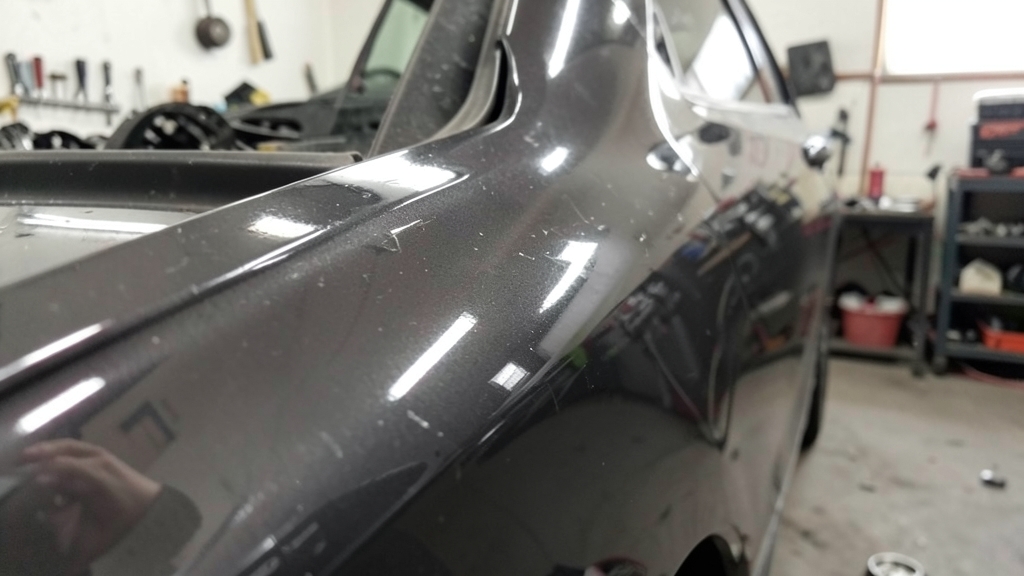
Paint correction and ceramic coating are often lumped together, but skipping proper prep is the fastest way to waste money. We’ve seen firsthand how Fargo’s harsh winters and road salt demand a flawless foundation before any coating goes on.
Why Paint Correction Is Non-Negotiable Before Ceramic Coating
Ceramic coatings bond permanently to your clear coat. If swirls, scratches, or oxidation remain, they’ll be locked in forever under that glass-like finish.
Our team uses multi-stage polishing to remove defects down to the submicron level. This isn’t just about looks—it’s about ensuring the coating adheres uniformly for maximum durability.
In areas like West Fargo and Moorhead, where vehicles face heavy contamination, proper decontamination with a clay bar and iron remover is critical before polishing even begins.
The Step-by-Step Paint Correction Process We Swear By
We start with a thorough wash and decontamination to remove embedded grit. Skipping this step risks inflicting new scratches during polishing.
Next, we assess the paint with a high-intensity light to map out defects. This determines whether a one-step or multi-stage correction is needed.
For deep scratches, we use a dual-action polisher with diminishing abrasive compounds. Cross-hatching patterns ensure even material removal without burning through the clear coat.
Paint Correction Essentials
- Full vehicle wash and decontamination
- Clay bar treatment to remove embedded contaminants
- High-intensity light inspection for defects
- Multi-stage polishing with diminishing abrasives
- Final wipe-down with IPA to remove oils and residues
Ceramic Coating: What It Actually Does (and Doesn’t)
A quality ceramic coating forms a covalent bond with your paint, creating a hydrophobic layer that repels water, dirt, and UV rays. It doesn’t make your car invincible—it enhances protection and simplifies maintenance.
With 9H hardness ratings, coatings resist light scratches and chemical staining far better than wax or sealants. But they won’t stop rock chips—that’s where paint protection film comes in.
In Fargo’s climate, the UV resistance helps prevent oxidation and fading, while the hydrophobic effect makes winter washes easier and safer for your paint.
Paint Correction vs. Ceramic Coating: Know the Difference
Paint correction is a restorative process that removes imperfections from your paint. Ceramic coating is a protective layer applied after correction to preserve that perfect finish.
One fixes what’s wrong; the other prevents future damage. Both are essential for long-term paint health, especially in areas like Horace and Dilworth where road debris is a constant threat.
| Aspect | Paint Correction | Ceramic Coating |
|---|---|---|
| Purpose | Removes defects (swirls, scratches, oxidation) | Adds a protective, hydrophobic layer |
| Process | Polishing with abrasive compounds | Application of liquid polymer coating |
| Duration | Takes 1-3 days depending on condition | 24-48 hours to cure fully |
| Longevity | Permanent (defects won’t return unless new damage occurs) | 2-5+ years with proper care |
| Maintenance | None (but new defects can appear over time) | Regular washing, avoid harsh chemicals |
Common Mistakes We See (And How to Avoid Them)
Applying a ceramic coating over uncorrected paint is the most frequent error. The coating will amplify every flaw, making them more noticeable under sunlight.
Using low-quality or counterfeit coatings can lead to poor durability, streaking, or even paint damage. We only use professional-grade, SiO2-based coatings with verified hardness and hydrophobic ratings.
Skipping the curing process is another pitfall. Driving in rain or washing the car too soon can compromise the coating’s bond and longevity.
Improper application can cause high spots, streaks, or even permanent staining. Ceramic coatings require controlled environments and precise techniques—leave it to professionals.
How Fargo’s Climate Affects Your Paint and Coating
Fargo’s winters bring road salt, sand, and extreme temperature swings—all of which accelerate paint damage. A ceramic coating acts as a sacrificial layer, taking the brunt of this abuse.
Summer UV exposure can fade and oxidize paint quickly. The ceramic layer blocks up to 99% of UV rays, preserving your vehicle’s color and gloss.
For vehicles in Mapleton or rural areas, dust and pollen are constant. The hydrophobic properties of a ceramic coating make it easier to rinse off these contaminants before they etch into the paint.
Pairing Ceramic Coating with Other Protective Services
For ultimate protection, we often recommend combining ceramic coating with paint protection film (PPF). PPF handles rock chips and deep scratches, while the coating adds hydrophobic and UV-resistant properties.
Wheel and brake caliper ceramic coatings are a smart add-on. Brake dust and road grime stick to wheels aggressively, but a coated surface stays cleaner and resists corrosion.
Interior ceramic protection is gaining popularity, especially for families and fleet vehicles. It repels spills, stains, and UV damage on dashboards, seats, and door panels.
Commercial vehicles in Dilworth or Horace benefit from ceramic coatings on high-wear areas like hoods and mirrors. It reduces downtime for cleaning and touch-ups.
What to Expect After Your Ceramic Coating
The first 48 hours are critical. Avoid washing, rain, or direct sunlight to allow the coating to cure properly. After that, you’ll notice water beading like never before.
Maintenance becomes simpler: a weekly wash with pH-neutral soap is often enough to keep your car looking showroom-fresh. Avoid automatic car washes with harsh brushes—they can mar the coating over time.
Over the years, you may need a maintenance spray or top-up to refresh the hydrophobic properties. This is normal and far cheaper than reapplying a full coating.
How to Maintain Your Ceramic Coating in Fargo’s Tough Conditions
Proper aftercare extends the life of your coating and keeps your vehicle looking its best.
- 1Wash Regularly with pH-Neutral Soap
Use a high-quality car shampoo and a microfiber wash mitt to avoid scratching. Wash every 1-2 weeks to prevent contaminant buildup.
- 2Dry with a Microfiber Towel
Pat the surface dry instead of dragging the towel. This prevents water spots and maintains the hydrophobic effect.
- 3Avoid Automatic Car Washes
Brushes and harsh chemicals can degrade the coating over time. Stick to hand washes or touchless systems.
- 4Use a Ceramic Booster Spray
Every 3-6 months, apply a SiO2 booster spray to refresh the hydrophobic properties and extend the coating’s life.
- 5Decontaminate as Needed
If you notice iron particles or tar, use a dedicated decontamination spray or clay bar to remove them safely.
Frequently Asked Questions
Can I apply a ceramic coating over existing wax or sealant?
No. Wax and sealants leave residues that prevent the coating from bonding properly. We always strip these layers with IPA and perform paint correction before applying a ceramic coating.
How long does paint correction take for a typical vehicle in Ceramic Coating Fargo?
It depends on the paint’s condition. A light correction may take 4-6 hours, while heavy defect removal can span 2-3 days. We’ll inspect your vehicle first to provide an accurate estimate.
Will a ceramic coating prevent rock chips?
No. Ceramic coatings add hardness and scratch resistance, but they won’t stop rock chips. For that, we recommend paint protection film (PPF) on high-impact areas like the hood and bumper.
Is ceramic coating worth it for older cars in Moorhead or West Fargo?
Absolutely, if the paint is in decent condition. Paint correction can restore clarity and gloss, and the coating will protect it for years. For heavily oxidized paint, a correction may be needed first to make the coating worthwhile.
How do I know if my ceramic coating is failing?
Signs include reduced water beading, increased dirt adherence, or a duller appearance. If you notice these, it may be time for a maintenance spray or a professional inspection. Request a quote to assess the coating’s condition.
Can I apply ceramic coating to my wheels or headlights?
Yes! Wheel ceramic coatings resist brake dust and corrosion, while headlight coatings restore clarity and prevent yellowing. Both are popular add-ons for full-vehicle protection.