Why Installer Certification Matters for Your Ceramic Coating in Fargo in Ceramic Coating Fargo, ND
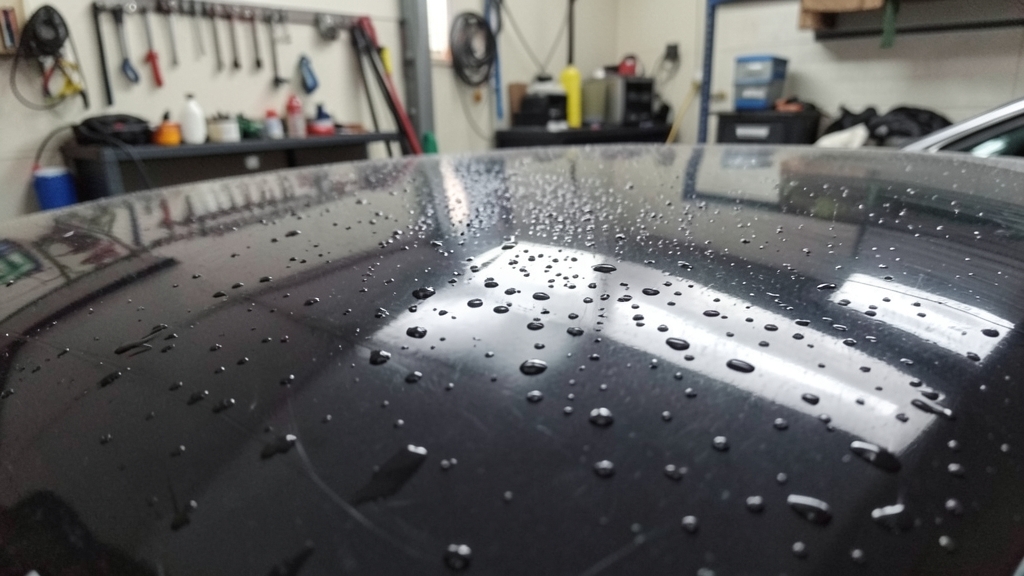
A ceramic coating’s longevity and performance hinge on more than the product—it’s about the hands applying it. In our region, where road salt, UV exposure, and temperature swings test every finish, certification separates a lasting shield from a short-lived gamble.
Certification: The Difference Between Protection and Regret
Uncertified installers often skip critical prep steps like multi-stage decontamination or paint correction. Without proper training, even premium 9H coatings can fail prematurely due to improper bonding.
Trained professionals follow manufacturer protocols for surface prep, application thickness, and curing. This ensures the nano-ceramic polymers cross-link correctly, delivering the advertised hydrophobic and UV-resistant properties.
Store-bought ceramic sprays lack the durability and thickness of professional-grade coatings. Improper application can leave streaks, high spots, or even damage clear coat.
What Certifications Actually Mean in Automotive Coating
Reputable brands like Ceramic Pro, Gtechniq, and IAG require installers to complete rigorous training. These programs cover everything from paint defect identification to advanced polishing techniques.
Certification also means access to professional-grade products unavailable to the public. These coatings often include longer warranties and superior resistance to chemicals, bird droppings, and mineral deposits.
Fargo’s Climate Demands Expertise
Our winters bring road salt and sand, while summers deliver intense UV and humidity swings. An experienced professional understands how these conditions affect curing times and coating performance.
For example, applying a coating in high humidity without climate-controlled bays can lead to water spotting or uneven curing. Certified shops in West Fargo and Moorhead invest in controlled environments to avoid these issues.
Paint Correction: The Foundation of a Flawless Coating
No coating can hide swirl marks, scratches, or orange peel. Skilled professionals perform paint correction—using dual-action polishers and compound grades—to restore clarity before applying the ceramic layer.
Skipping this step means sealing in imperfections. In areas like Dilworth and Horace, where dust and pollen are constant, proper prep ensures the coating bonds to a truly clean surface.
An installer will document the paint correction process. This transparency proves they’re addressing defects, not just slapping on a coating.
Ceramic Coating vs. PPF: Why Certification Matters for Both
Paint Protection Film (PPF) and ceramic coatings serve different purposes but often work together. PPF guards against rock chips and scratches, while ceramic coatings add hydrophobicity and gloss.
Experienced professionals know how to layer these products for maximum durability. For example, applying a ceramic coating over PPF enhances self-cleaning properties and extends the film’s lifespan.
| Feature | Ceramic Coating | PPF |
|---|---|---|
| Primary Benefit | UV protection, hydrophobicity, gloss enhancement | Physical barrier against chips, scratches, and stains |
| Durability | 2-5 years (pro-grade) | 5-10 years (with care) |
| Self-Healing | No (unless hybrid) | Yes (with heat or sunlight) |
| Maintenance | Easy (wash-and-go) | Requires occasional sealing |
| Best For | Paint enhancement, ease of cleaning | High-impact areas (hood, bumper, fenders) |
Beyond the Paint: Certified Services for Full Vehicle Protection
Certification isn’t limited to exterior paint. Our team also specializes in ceramic window tint, which blocks UV rays and reduces heat without the bubbling issues of traditional films.
Wheel and brake caliper coatings prevent brake dust from bonding, making cleaning easier. For fleets in Mapleton or commercial vehicles, we offer interior ceramic protection to resist stains and UV fading.
How to Verify an Installer’s Certification
Always ask for proof of certification directly from the manufacturer. Reputable brands list authorized installers on their websites—check for your shop’s name.
Look for ongoing training. The best technicians stay updated on new formulas and techniques, especially as ceramic technology evolves with graphene and silicon carbide infusions.
Red Flags to Avoid
- No visible certification or brand authorization
- Refusal to show prep work or paint correction steps
- Pressure to upsell without explaining the process
- No climate-controlled application area
How to Choose a Certified Ceramic Coating Installer in Fargo
Not all shops are created equal—here’s how to pick the right one.
- 1Check Manufacturer Authorization
Check the brand’s official website to see if the shop is listed as an authorized provider.
- 2Review Their Portfolio
Ask for photos of past work, especially vehicles similar to yours. Look for consistency in gloss and lack of defects.
- 3Inspect Their Facility
A dedicated, climate-controlled bay is non-negotiable. Dust, wind, or extreme temps can ruin an application.
- 4Ask About Prep Work
Ensure they perform paint correction, decontamination (clay bar, iron remover), and surface polishing before coating.
- 5Inquire About Warranties
Installers may offer manufacturer-backed warranties. Get the terms in writing, including what voids coverage.
- 6Request a quote
Cost varies by vehicle size, paint condition, and coating tier. A detailed quote should outline prep, products, and labor.
Frequently Asked Questions
How long does a professional ceramic coating last in Fargo’s climate?
With proper prep and application, professional-grade coatings last 2–5 years. Harsh winters and UV exposure can shorten this if maintenance is neglected. Regular washing and annual inspections help maximize longevity.
Can a ceramic coating be applied over existing scratches or swirl marks?
No. A coating will not hide imperfections—it will amplify them. Proper preparation always includes paint correction first to ensure a flawless finish. Skipping this step is a hallmark of poor workmanship.
Is ceramic coating worth it for older vehicles in Moorhead or West Fargo?
If the paint is in good condition after correction, yes. Coatings protect resale value and make cleaning easier. However, heavily oxidized or peeling paint may need repainting before a coating can be applied effectively.
What’s the difference between a certified and uncertified ceramic coating installer?
Experienced installers use professional-grade products, follow strict application protocols, and often provide warranties. Less-skilled applicators may use inferior products, skip prep steps, or lack the training to handle Fargo’s climate challenges.
Do you offer ceramic coating for wheels and brake calipers in Horace or Dilworth?
These coatings require specialized prep and heat-resistant formulas, which trained professionals are equipped to handle.
How do I maintain my ceramic coating after installation?
Wash your vehicle every 2 weeks with a pH-neutral car shampoo and microfiber towels. Avoid automatic car washes with harsh brushes. Annual inspections can catch any areas needing touch-ups, especially after harsh winters.