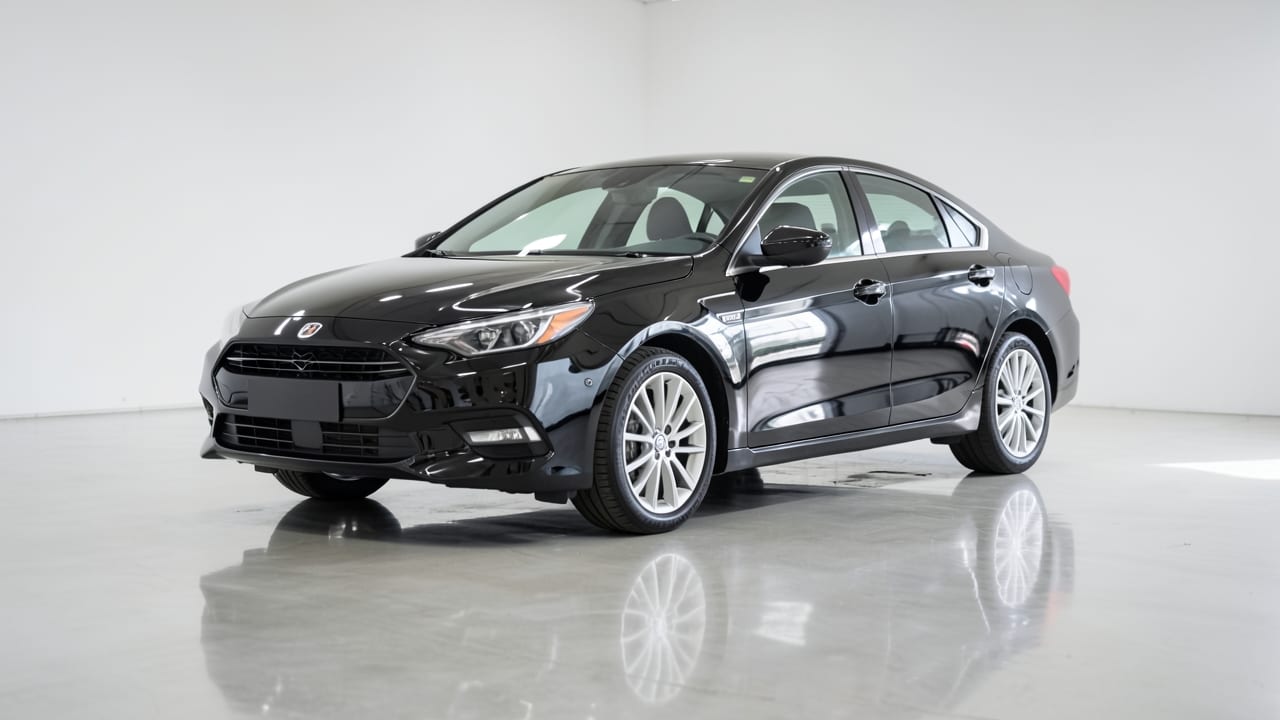
Pre-Event Showroom Gloss Enhancement
Professional ceramic coating application to enhance vehicle paint gloss before events.
Pre-Event Showroom Gloss Enhancement in Fargo, ND, restores and protects your vehicle’s exterior with a ceramic coating, ideal for preparing it for car shows, photoshoots, or simply showcasing its best appearance.
This process involves thorough decontamination, paint correction, and a durable, high-gloss finish that resists contaminants and UV damage, helping maintain your car’s showroom shine for longer.
We also handle Fleet & Commercial Vehicle Coating and Graphene Coating for Fargo vehicles.
When is this service needed?
Your vehicle’s paint may be due for ceramic coating if water no longer beads up smoothly but instead spreads unevenly across the surface. This often indicates the loss of existing protective layers, leaving the paint exposed to scratches and contaminants.
Fine swirl marks that only appear under direct sunlight or a flashlight—especially on darker paint colors—are another sign that the surface has accumulated micro-scratches from routine washing.
Running your fingertips lightly over the paint and feeling small bumps or roughness suggests embedded contaminants like brake dust or industrial fallout.
If your car’s paint looks dull or hazy immediately after washing instead of retaining a glossy finish, it’s likely time for decontamination and coating to restore clarity and protection.
Signs Your Vehicle Needs Pre-Event Gloss Enhancement
- Water no longer beads up but spreads flat across the paint, indicating lost protection.
- Visible swirl marks or light scratches under direct light, especially on dark-colored paint.
- Fingertip test reveals bumps or roughness on the paint surface, not a smooth glass-like feel.
- Paint appears dull or hazy immediately after washing, rather than retaining a glossy finish.
What affects pricing and timing?
The size and condition of your vehicle’s paint surface play a key role in determining the time and cost of the service. Larger vehicles or those with extensive contaminants, deep scratches, or oxidation may require additional prep work, such as extra clay bar treatments or paint correction, before coating.
The tier of ceramic coating chosen—such as SiO2-based or graphene-enhanced—also impacts pricing, as higher-end tiers offer longer-lasting protection but come at a higher cost.
Seasonal factors in Fargo, ND, like humidity and temperature, can influence the curing process. Coating is best applied in controlled environments where temperature and humidity are within the product’s recommended range, which may require scheduling adjustments during extreme weather.
Additionally, the level of detail in the prep work, such as full decontamination and correction versus minimal prep, directly affects both time and price.
| Factor | Impact on Pricing/Timing |
|---|---|
| Vehicle Size | Larger vehicles (SUVs, trucks) require more product and labor time. |
| Paint Condition | Severe swirls, oxidation, or contaminants add correction steps, increasing time and cost. |
| Coating Tier | Graphene or multi-layer coatings cost more but last longer than basic SiO2 tiers. |
| Seasonal Weather | Extreme heat, cold, or humidity may delay application or require adjustments. |
| Prep Work Level | Full decontamination (clay bar, iron removal) takes longer than minimal prep. |
Pre-event prep: protecting your investment
The first few weeks after coating are critical for long-term performance. Parking your vehicle in shade or a garage during this period helps the coating cure evenly, reducing the risk of flash-curing and high spots caused by direct sunlight.
Avoid automatic car washes with spinning brushes, as they introduce fine scratches that are more visible on a freshly coated surface. Instead, use a two-bucket wash method with pH-neutral soap to preserve the gloss and hardness of the coating.
Promptly rinsing off bird droppings, tree sap, or bug splatter within a day or two prevents etching and staining. Waiting too long allows these contaminants to bond with the paint, making them harder to remove without causing additional damage.
These habits during the curing window set the foundation for how well the coating performs over time.
Exposing the vehicle to rain or washing it before the full cure period (typically 7 days) can cause water-spot marks and weaken the coating’s bond. Using harsh detergents or abrasive tools during the first few weeks introduces scratches that compromise the finish’s durability.
How pre-event showroom gloss enhancement works
This process transforms your vehicle’s exterior with a high-gloss, protective ceramic coating.
- 1Foam Pre-Wash and Wheel Cleaning
The vehicle undergoes a foam pre-wash to lift surface dirt, followed by a dedicated wheel-and-tire cleaning pass. Different wash mitts are used for paint and wheels to prevent brake dust and grime from transferring onto the paint surface, which could cause scratches during later steps.
- 2Chemical Decontamination
Iron remover strips embedded brake-dust particles from the clear coat, while tar and bug removers lift deep-seated contaminants. These chemicals are applied before any mechanical contact to ensure contaminants below the surface are removed, as they can’t be reached by wash mitts alone.
- 3Clay Bar Treatment
A lubricant is applied to every panel, and a clay bar or mitt is worked across the surface to pull out bonded contaminants like overspray or industrial fallout. The goal is to achieve a glass-smooth feel when running clean fingertips over the paint, confirming the surface is contaminant-free.
- 4Paint Inspection and Correction
The paint is inspected under raking light for swirl marks and light scratches. A correction polish is applied to address these imperfections, as coating over existing swirls locks them permanently into the finish rather than hiding them.
- 5Coating Application and Cure
The ceramic coating is applied panel by panel in a dust-free environment with controlled humidity and temperature. The vehicle is left undisturbed during the cure period—typically 7 days—to ensure the coating hardens properly before exposure to rain or washing.
Frequently asked questions
Will ceramic coating hide deep scratches or rock chips?
Ceramic coating adds surface hardness and protection against light swirling and UV damage, but it does not fill in or hide deep scratches, rock chips, or dents. These imperfections will remain visible under the coating. For showroom-level results, addressing these issues with paint repair or bodywork before coating is recommended.
How long does the high-gloss finish last?
The longevity of the gloss depends on the coating tier used, your vehicle’s exposure to elements, and post-coating maintenance. Higher-end coatings like graphene-enhanced tiers can last 2–5 years with proper care, while basic SiO2 coatings may require reapplication sooner. Regular washing with pH-neutral soap and avoiding automatic car washes helps extend the finish.
Can I wash my car immediately after the coating is applied?
No, the vehicle must remain undisturbed for the full cure period, typically 7 days, to allow the coating to harden properly. Washing, rain exposure, or even heavy dew during this time can cause water-spot marks or weaken the coating’s bond, compromising its durability.
What’s the difference between a single-layer and multi-layer coating?
Single-layer coatings are thinner and more affordable but offer shorter protection, typically 1–2 years. Multi-layer coatings build up additional hardness and durability, often lasting 3–5 years, but they require more time to apply and cost more. The choice depends on your vehicle’s exposure to elements and your long-term goals for protection.
Where Fargo sits, and what the Census lists nearby
Fargo sits in North Dakota, and the closest places listed in the U.S. Census Gazetteer are Prairie Rose (3.3 miles south), West Fargo (3.6 miles west), Moorhead, MN (4 miles east), Frontier (4.5 miles south).
Within 25 miles of Fargo the same source lists 34 distinct incorporated places and census-designated places.
Those figures matter for pre-event showroom gloss enhancement because they are straight-line distances between Census coordinate points: road mileage between Fargo and Prairie Rose runs longer than the 3.3 miles shown, which is why quotes for the same job differ between towns that look close together on a map.
Source: U.S. Census Bureau Gazetteer.
See Comstock, MN for more, or see every option available in Fargo before booking for our complete lineup.
Ready to get started?
Talk to a local ceramic coating pro in Fargo — get a written quote.
Other Ceramic Coating Services in Fargo
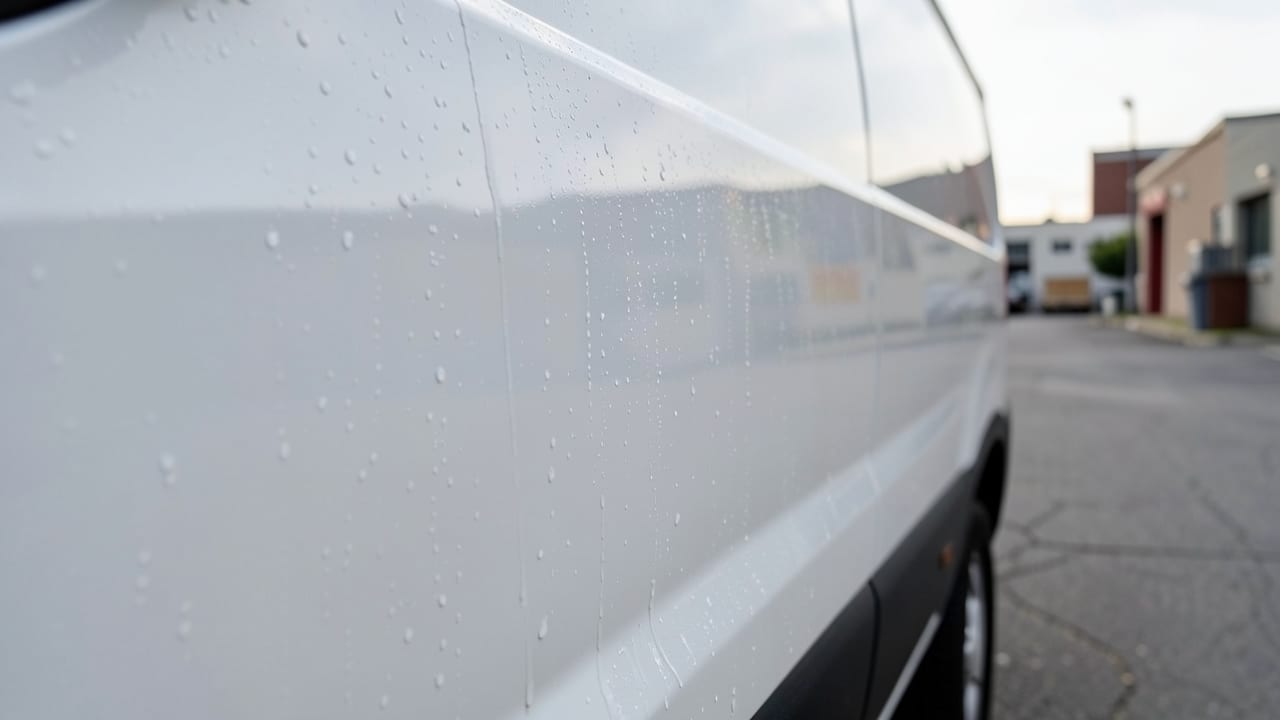
Fleet & Commercial Vehicle Coating in Fargo, ND
Ceramic coating programs for fleets and commercial vehicles in Fargo, ND — faster washing, longer-lasting branded wraps, and protected resale value.
Learn More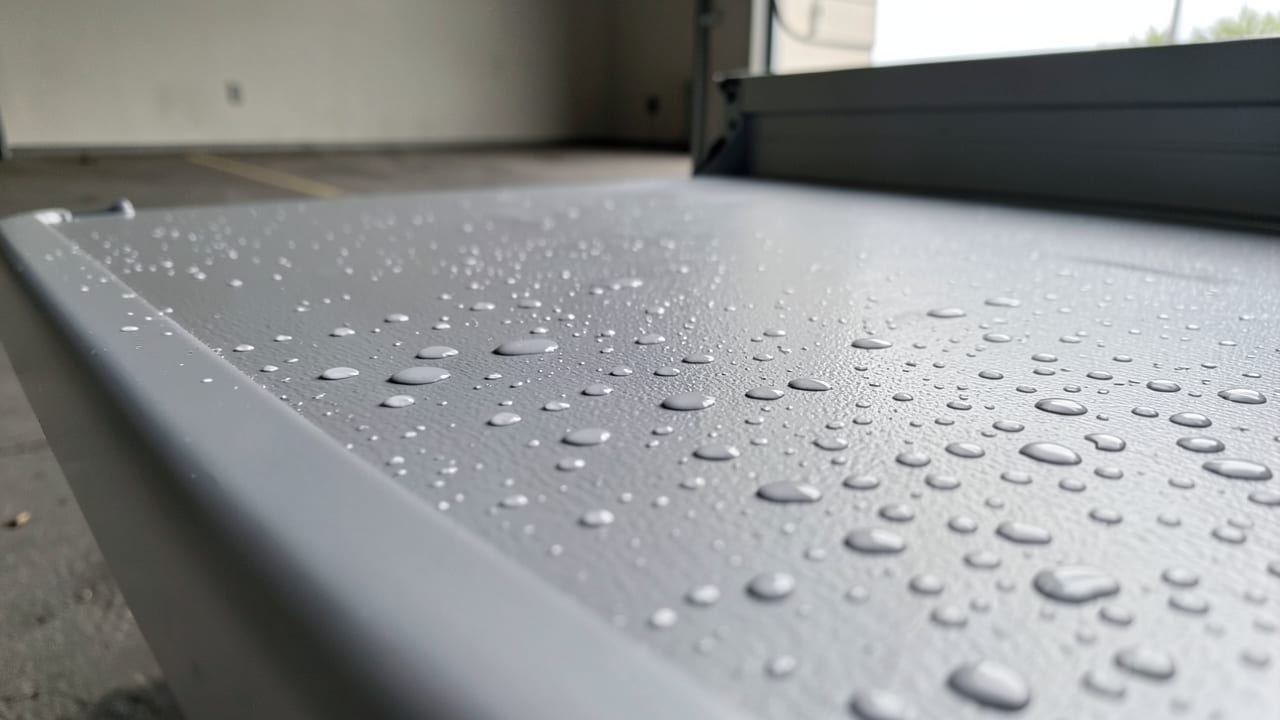
Graphene Coating in Fargo, ND
Graphene coating in Fargo, ND — a premium ceramic alternative with better heat rejection and hydrophobic durability.
Learn More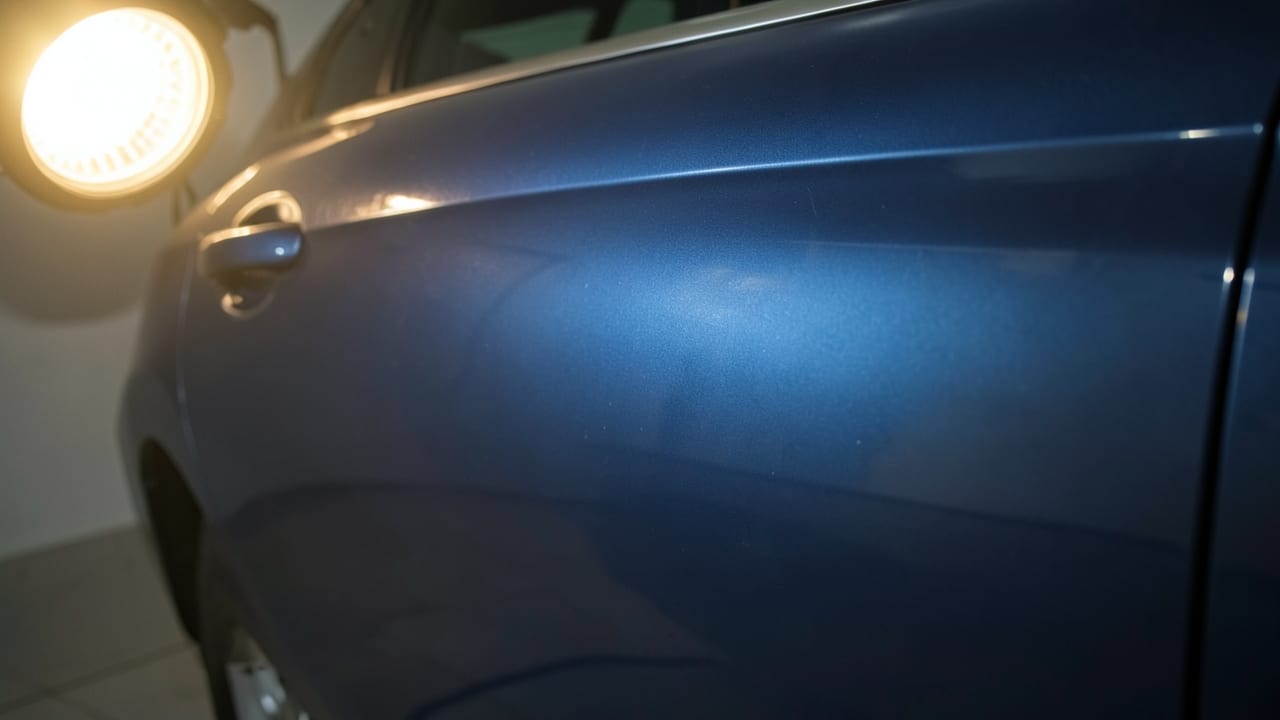
Clay Bar Paint Decontamination in Fargo, ND
Clay bar paint decontamination in Fargo, ND removes bonded surface contaminants a wash alone can't touch, before coating or correction.
Learn More
Engine Bay Detailing in Fargo, ND
Engine bay detailing in Fargo, ND — safe degreasing and dressing of the engine compartment without risking electrical components.
Learn More
Vinyl Wrap Installation in Fargo, ND
Professional application of vinyl wraps to protect or customize vehicle surfaces.
Learn More
Convertible Top Protection in Fargo, ND
Ceramic coating and protective treatments applied to convertible tops for durability and UV resistance.
Learn MoreCommon Questions About Ceramic Coating in Fargo
Everything you need to know about ceramic coating services in Fargo
How much does Pre-Event Showroom Gloss Enhancement typically cost in Fargo, ND?
Does coastal salt air affect how a ceramic coating performs in Fargo, ND?
Can a ceramic coating be applied over existing swirl marks or light scratches?
Is ceramic coating ever covered by comprehensive auto insurance?
Can ceramic coating be applied over a vinyl wrap or matte paint?
What does proper paint prep before a ceramic coating actually involve?
Need Ceramic Coating in Fargo?
Get a written quote from our Fargo crew.
⏰ We answer your call • Serving all of Fargo and surrounding areas