Ceramic Coating Fargo: The Real Difference Between 1-Year and Lifetime Warranties
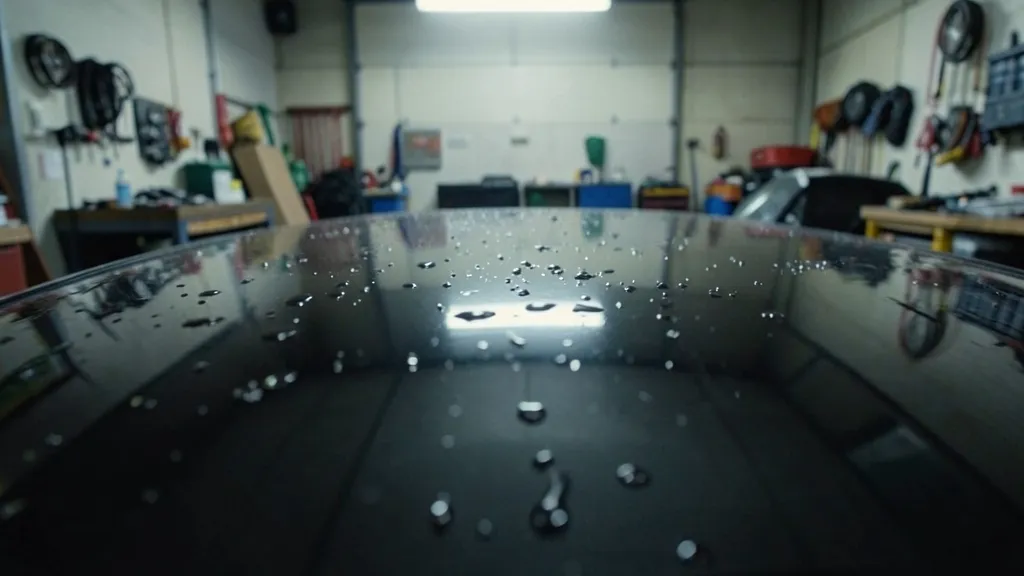
Choosing between a 1-year and lifetime ceramic coating warranty isn’t just about duration—it’s about chemistry, prep work, and real-world durability. In our region, where road salt and temperature swings test every finish, the right warranty can mean the difference between a showroom shine and premature failure.
Why Warranty Length Doesn’t Tell the Whole Story
A lifetime warranty sounds unbeatable, but it’s only as good as the coating’s formula and the prep work beneath it. Poor paint correction or a low-Sio2 concentration can void even the longest warranty before the first winter.
In Fargo’s climate, a 1-year coating with superior hydrophobic properties and UV resistance may outlast a poorly applied lifetime product. The warranty is a promise, but the science behind the coating delivers it.
Many lifetime warranties require annual inspections or reapplication of a top-up layer. Skipping these can void coverage, even if the coating itself holds up.
What Actually Differentiates 1-Year vs. Lifetime Coatings
1-year coatings typically use a lower concentration of nano-ceramic polymers (often 30-50% SiO2). They’re easier to apply and more forgiving for DIYers, but they degrade faster under UV exposure and chemical contaminants.
Lifetime coatings leverage 70-90% SiO2 or advanced graphene-infused formulas. These bond at a molecular level, resisting oxidation, water spots, and even light scratches far longer—if applied correctly.
| Feature | 1-Year Coating | Lifetime Coating |
|---|---|---|
| SiO2 Concentration | 30-50% | 70-90%+ |
| Hydrophobic Longevity | 6-12 months | 5-10+ years |
| UV Resistance | Moderate | Extreme |
| Chemical Resistance | Basic (pH 2-12) | Advanced (pH 1-14) |
| Scratch Resistance | Minimal | Light to moderate |
| Prep Requirements | Basic wash & decontamination | Full paint correction & polishing |
| Ideal for Fargo Climate | Short-term protection | Long-term, all-season durability |
How Fargo’s Climate Tests Your Coating
Our winters bring road salt, magnesium chloride, and subzero temps that can crack inferior coatings. A lifetime warranty backed by a high-Sio2 formula is the only way to ensure protection through multiple seasons.
Summer UV exposure in the Red River Valley fades and oxidizes paint faster than in milder climates. A 1-year coating may suffice for a single season, but it won’t shield your vehicle from long-term damage.
Neighboring areas like West Fargo and Moorhead see similar conditions. If you drive frequently between these towns, a lifetime coating ensures consistent protection across the region.
The Role of Paint Correction in Warranty Validity
No ceramic coating adheres well to swirl-marked or oxidized paint. Lifetime warranties often require full paint correction—machine polishing to remove defects—before application. Skip this, and the warranty is void from day one.
1-year coatings are more lenient, but even they perform poorly without proper decontamination. Iron particles and embedded grime can cause premature peeling, regardless of warranty length.
Even for a 1-year coating, a thorough paint correction ensures maximum adhesion and longevity. It’s the foundation of any durable ceramic finish.
When a 1-Year Coating Makes Sense
Not every vehicle needs a lifetime coating. If you lease your car or plan to trade it in within a year or two, a 1-year coating provides cost-effective protection and a glossy finish without over-investing.
For daily drivers in Horace or Mapleton that see heavy use, a 1-year coating can be a smart way to test ceramic protection before committing to a lifetime product.
Lifetime Coatings: Who Should Invest and Why
Lifetime coatings are ideal for enthusiasts, luxury vehicles, or anyone keeping their car long-term. In Dilworth or West Fargo, where vehicles endure harsh winters, the upfront cost pays off in reduced paint damage and easier maintenance.
They’re also a smart choice for fleet or commercial vehicles. The long-term savings on paint correction and detailing add up quickly, especially for businesses operating across Moorhead and Fargo.
Signs You Need a Lifetime Coating
- You plan to keep your vehicle 5+ years
- Your car is exposed to frequent road salt or UV rays
- You want minimal maintenance (easier washing, less waxing)
- You’ve noticed oxidation or fading on your current paint
- You drive a high-value or classic vehicle
How to Extend the Life of Any Ceramic Coating
Even lifetime coatings benefit from proper care. Regular washing with pH-neutral shampoo prevents contaminants from bonding to the surface. Avoid automatic car washes with harsh brushes—they can strip the coating over time.
Annual inspections help catch issues early. For vehicles in high-exposure areas like Mapleton or Horace, a professional top-up every 1-2 years can restore hydrophobic properties and extend the coating’s effectiveness.
Ceramic Coatings vs. Other Protection Methods
Paint Protection Film (PPF) offers superior scratch and chip resistance but lacks the self-cleaning and hydrophobic benefits of ceramic coatings. Many Fargo drivers combine both: PPF for high-impact areas and ceramic coating for the rest of the vehicle.
Ceramic window tint and wheel coatings complement full-vehicle ceramic coatings. Tint reduces UV exposure inside the cabin, while wheel coatings protect against brake dust and road grime—common issues in our area.
How to Choose Between a 1-Year and Lifetime Ceramic Coating in Fargo
Follow these steps to decide which warranty—and coating—is right for your vehicle and lifestyle.
- 1Assess Your Vehicle’s Value and Longevity
If you plan to keep your car for years, a lifetime coating is worth the investment. For short-term ownership, a 1-year coating may suffice.
- 2Evaluate Your Driving Conditions
Frequent exposure to road salt, UV rays, or harsh weather? A lifetime coating with high SiO2 content will outlast the elements.
- 3Inspect Your Paint’s Current Condition
Swirl marks, oxidation, or deep scratches? You’ll need paint correction before any coating. Lifetime warranties often require this step.
- 4Consider Your Maintenance Commitment
Lifetime coatings require less upkeep but benefit from annual inspections. If you prefer low-maintenance protection, a lifetime product is ideal.
- 5Consult a Local Ceramic Coating Expert
Every vehicle and driver’s needs are unique. Request a quote and professional assessment to determine the best option for your car.
Frequently Asked Questions
Does a lifetime ceramic coating warranty really last a lifetime?
A lifetime warranty covers the coating’s durability under normal conditions, but it’s not invincible. Extreme neglect, improper washing, or severe environmental damage (like hail) can void the warranty. Regular care ensures it lasts as long as promised.
Can I apply a ceramic coating myself in Fargo’s climate?
DIY ceramic coatings are possible, but our climate demands precision. Improper application or skipping paint correction can lead to premature failure. For lifetime warranties, professional installation is almost always required.
How does a ceramic coating protect against Fargo’s road salt?
Ceramic coatings create a hydrophobic barrier that repels water and contaminants, including road salt. This prevents salt from bonding to your paint, reducing the risk of corrosion and oxidation during winter months.
Is paint correction necessary for a 1-year ceramic coating in Ceramic Coating Fargo?
While not always required for 1-year coatings, paint correction significantly improves adhesion and longevity. For the best results—especially in harsh climates—we recommend it for any ceramic coating.
Can I combine a ceramic coating with Paint Protection Film (PPF)?
Absolutely. Many drivers in West Fargo and Moorhead use PPF for high-impact areas (like the front bumper) and ceramic coating for the rest of the vehicle. This combo offers the best of both worlds: scratch resistance and hydrophobic protection.
What maintenance is required for a lifetime ceramic coating?
Wash your vehicle every 2-4 weeks with a pH-neutral shampoo, avoid automatic car washes with abrasive brushes, and consider an annual professional inspection. This keeps the coating performing at its best.